About the images
Every dish image we publish is made by a computer. This page explains how, who checks it, and what it does and does not claim — in the same words we would use in your kitchen.
Made by us, dish by dish
All from the real ingredient list, all in one style — your house's. This is what your menu receives.
If an image does not fit, say so — a replacement uses one of your images.
Try another table
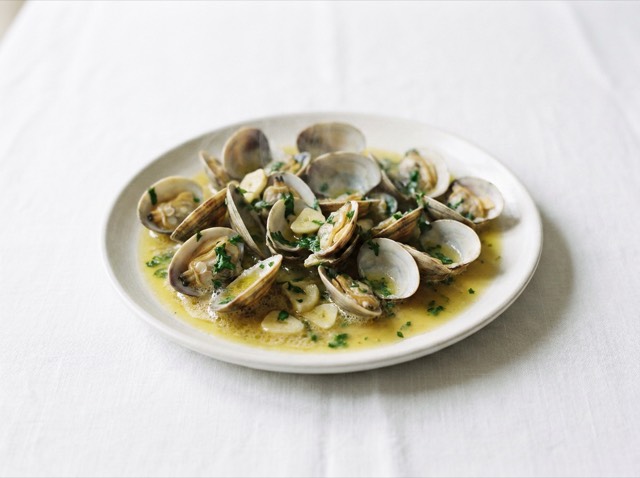
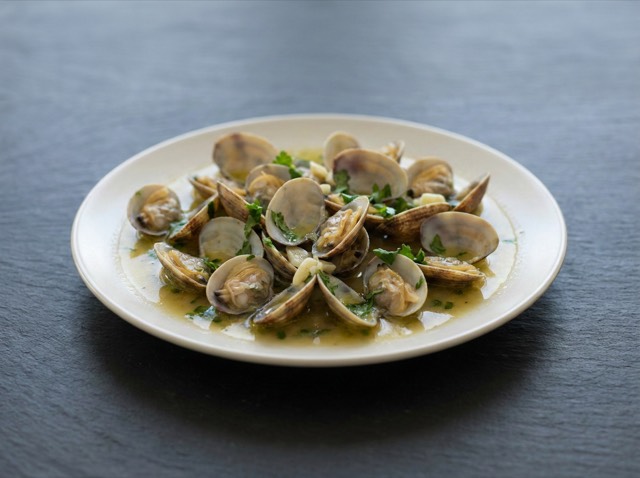
Clams Bulhão Pato
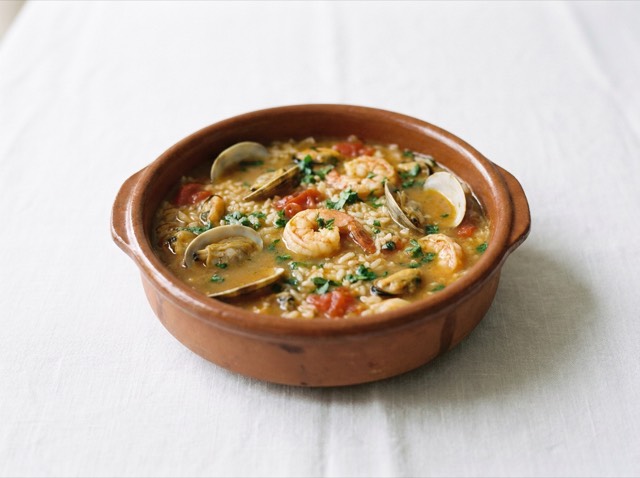
Seafood rice
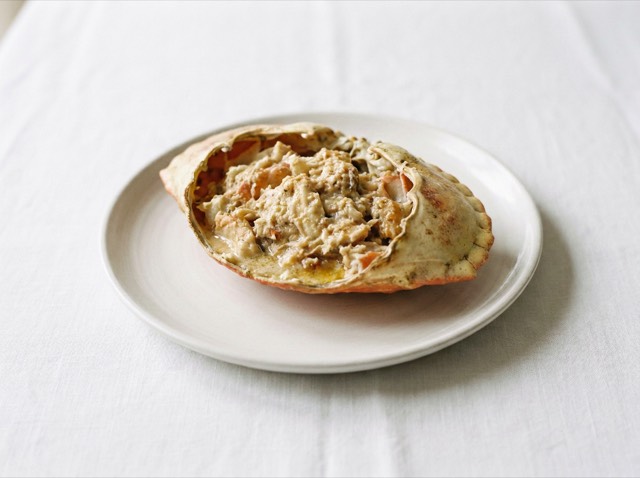
Brown crab
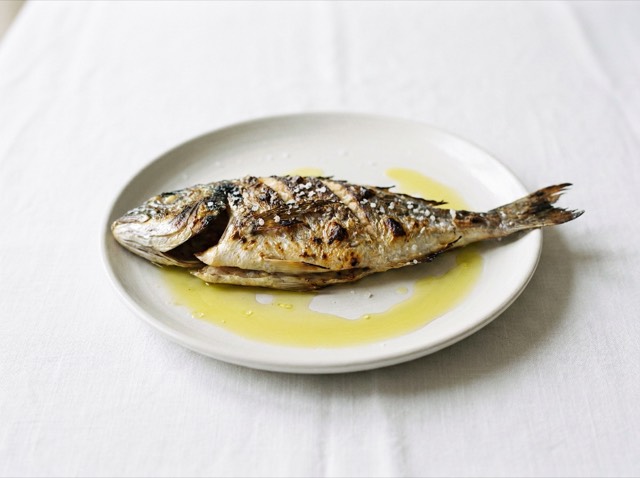
Fish of the day
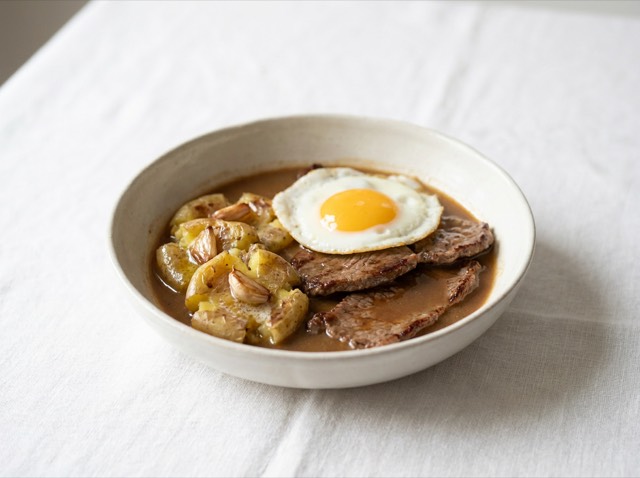
Café-style steak
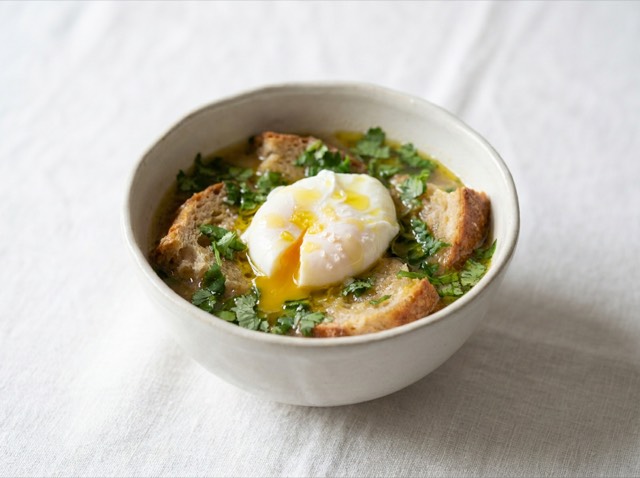
Alentejo bread soup
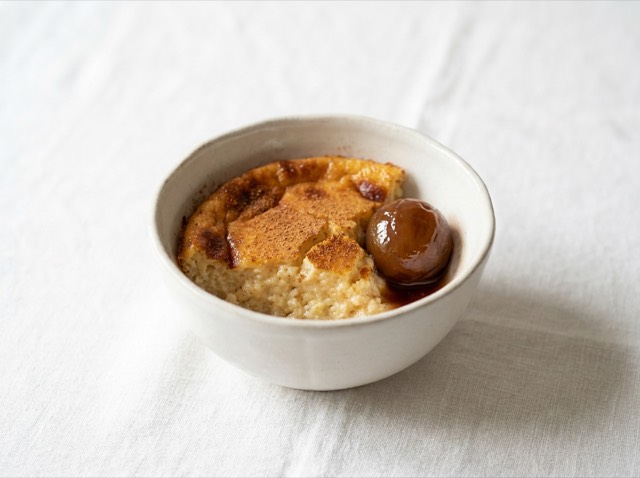
Sericaia with Elvas plum
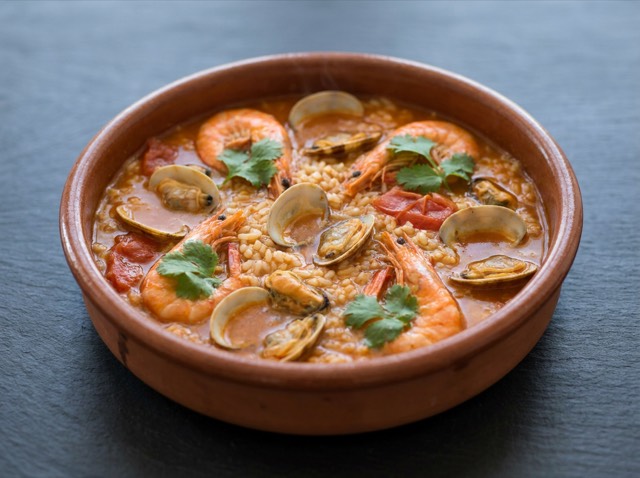
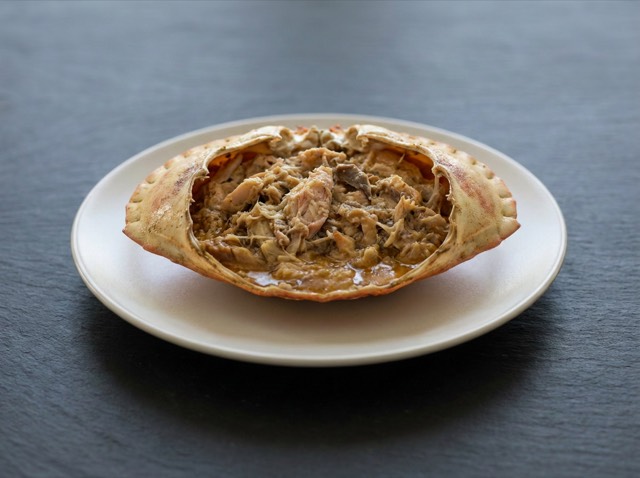
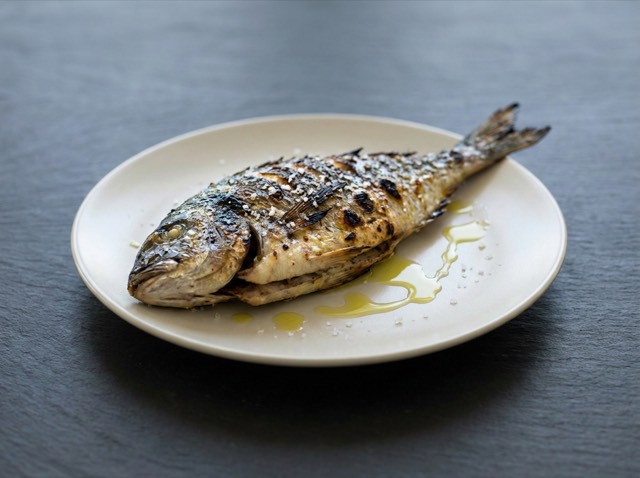
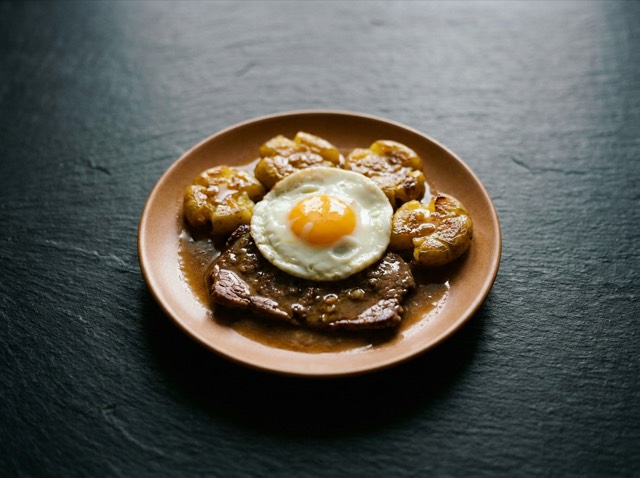
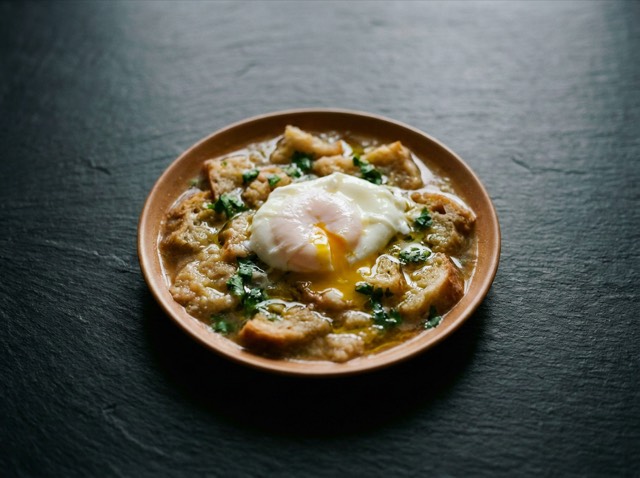
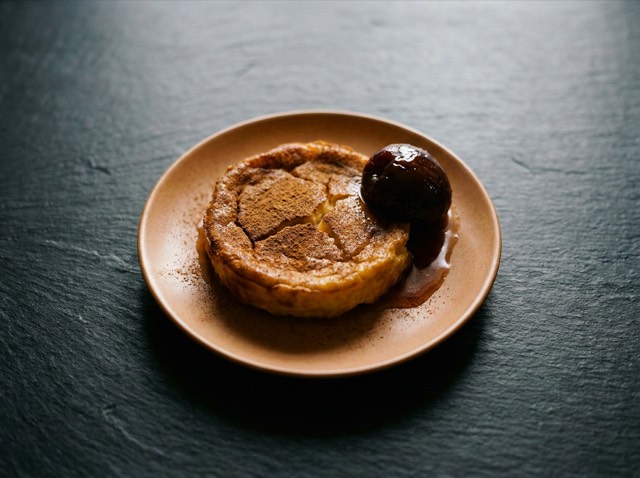
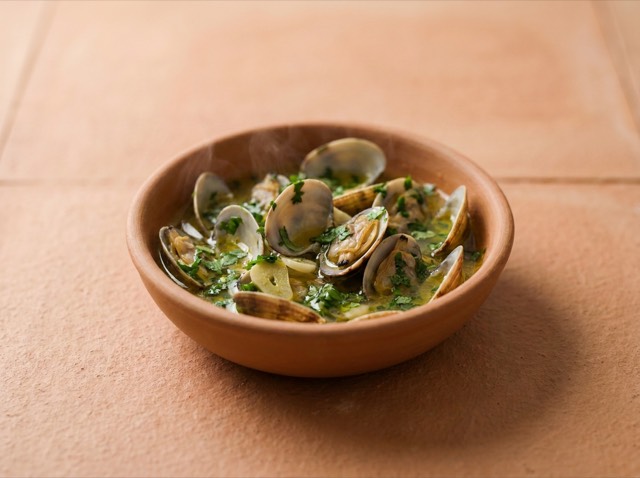
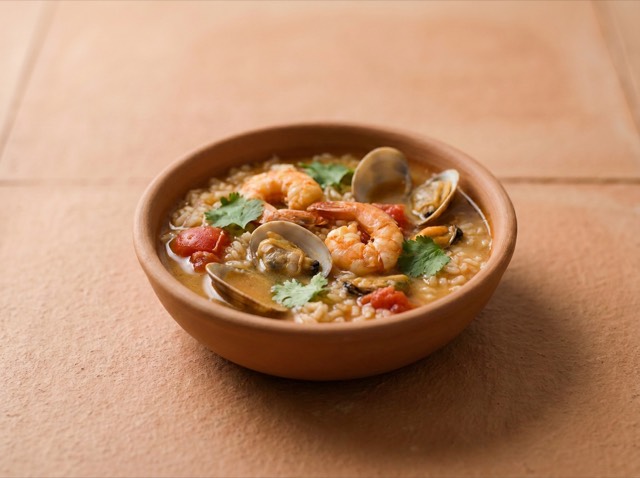
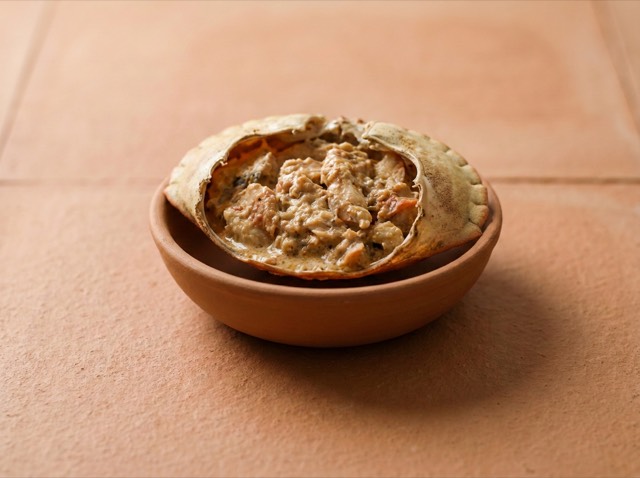
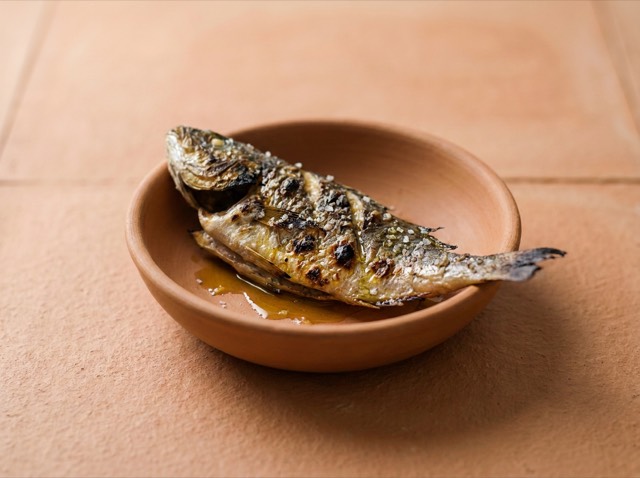
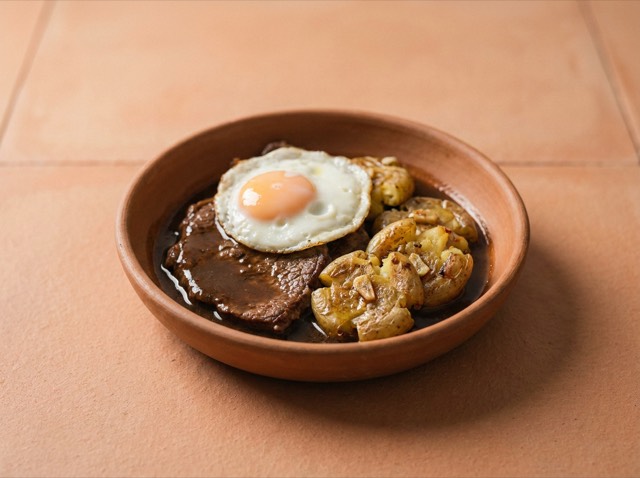
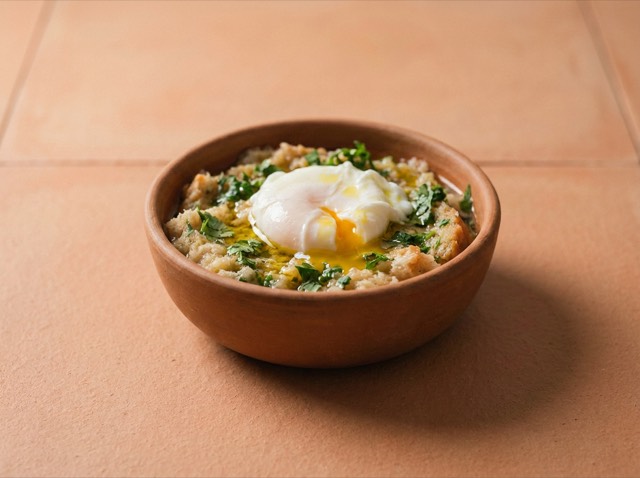
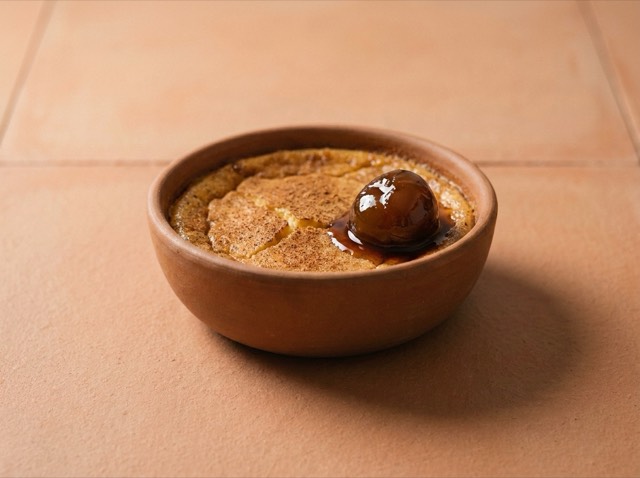
Some images may be AI-generated or AI-enhanced, illustrative visuals based on the dish's real ingredient list. Actual plating may vary.
The line every menu with generated imagery carries:
Some images may be AI-generated or AI-enhanced, illustrative visuals based on the dish's real ingredient list. Actual plating may vary.
What these images are
They are illustrations, generated by a computer from a written list of ingredients. None of them is a record of a plate that was cooked, served or set on a table. That is a real difference and we would rather you heard it from us first.
They start from your real ingredient list
Each image is generated from that dish's own ingredients, exactly as the restaurant wrote them — not from another restaurant's plate, not from a stock library, and not from a guess about what the dish probably contains. The list is shown beside the image on the screen where it gets approved, so the two can be compared line by line.
One look across the whole menu
We choose a single style and apply it across the menu, so the menu reads as one kitchen. Generic or ingredient-mismatched imagery is not acceptable to us even as a temporary placeholder.
Nothing is published without the owner's approval
The restaurant sees every image before a diner does and approves them one at a time. Rejecting one costs nothing, and an image nobody approved never reaches a live menu. Asking for a replacement uses one of your images, the same as the first attempt did — which is why you see them one at a time rather than all at once.
The diner is always told
Every image carries a mark next to it, and the menu carries the disclosure line below, in whichever language the diner is reading. It sits beside the image rather than only at the bottom of the page, because a notice you meet after you have already been persuaded is not much of a notice.
Faithful to the ingredients, and nothing more
The claim is that the image is faithful to the dish's ingredient list, and that claim can be checked against the list itself. We do not claim it shows your plating, your portion or your crockery, and the disclosure says exactly that: how the dish arrives at the table may look different.
Images do not replace allergen information
Allergens are text, dish by dish, in the diner's language, and they are the restaurant's responsibility under Regulation (EU) 1169/2011. Nothing about an image adds to or subtracts from that.
If you have images of your own, we use yours
A restaurant that already has good images of its dishes can send them and we will put them in place of ours, dish by dish or across the whole menu. Where an image is yours, the generated-image mark and the disclosure come off it, because they would no longer be true.
Taking an image down
Ask and it comes off, the same day, with no discussion about why. If a restaurant ever disputes that an image represents its dish, our first move is to unpublish it — not to defend it.
Why we are this careful
EU food-information law prohibits misleading a consumer through pictures as much as through words, and it applies to advertising and presentation, not only to the label. On a menu that also carries mandatory allergen information, generated imagery is held to a higher standard — so we disclose it on every menu, every time, rather than deciding case by case.